Three regions, one Tar Heel state
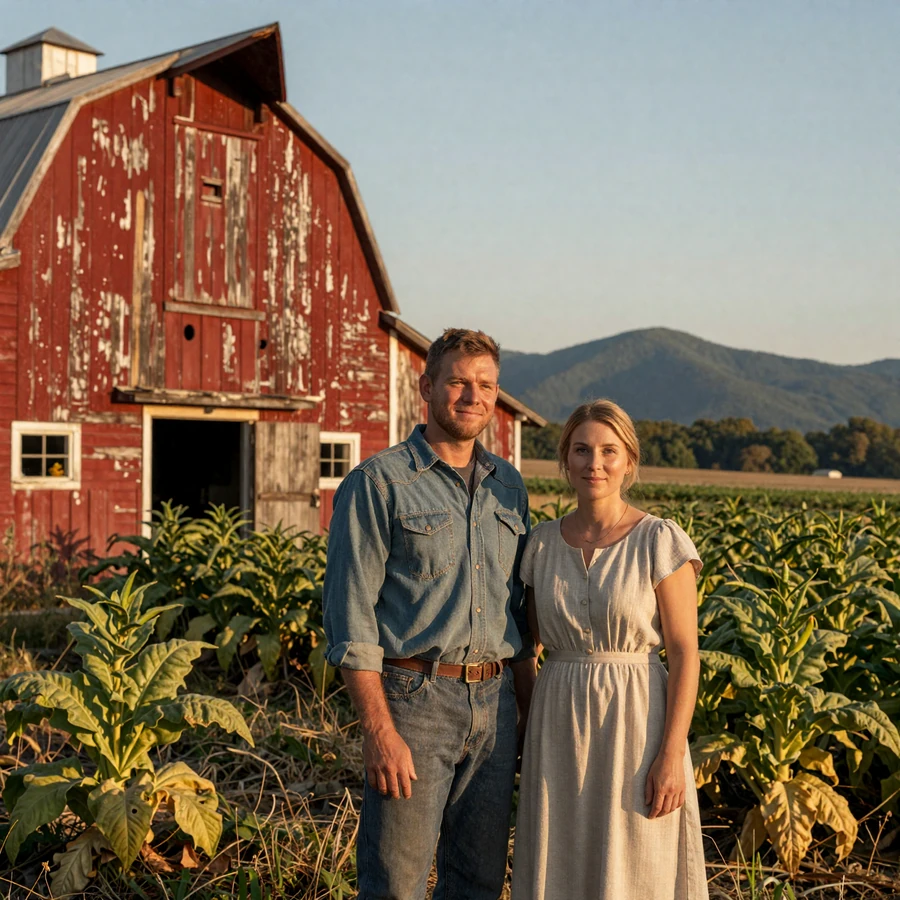
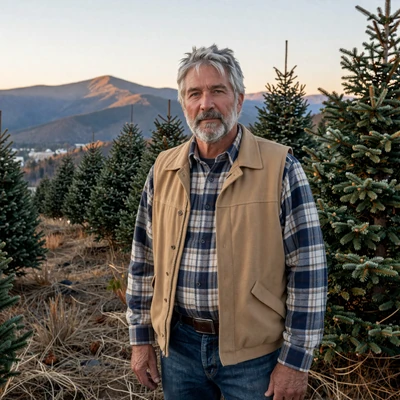
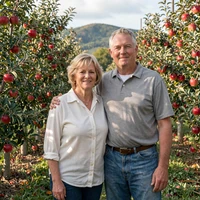
North Carolina farms don’t look alike. Drive east from Asheville to the Outer Banks and you cross three distinct farm worlds. Up in the mountains — Ashe, Watauga, Haywood, Henderson counties — Christmas trees and apples dominate. North Carolina grows more Fraser fir Christmas trees than any state in the union, and Henderson County apples fill half the pies east of the Mississippi. Across the Piedmont — Randolph, Chatham, Iredell, Davidson counties — you’ll find cattle, hay, Christmas-tree lots, small dairies, and row-crop operations growing corn, soybeans, and wheat. Down on the Coastal Plain — Duplin, Sampson, Wayne, Johnston, Nash, Wilson counties — tobacco still runs the calendar from April transplant to October market, with hogs and sweet potatoes riding alongside.
North Carolina is the number-two U.S. hog producer and the number-one flue-cured tobacco state. Duplin and Sampson counties alone raise millions of hogs each year. That creates a farming workforce that’s equal parts contract growers, row-crop families, cattlemen, and ag-adjacent — feed-mill managers, equipment dealers, extension agents, large-animal vets, tobacco warehousemen. A 34-year-old hog-barn operator outside Kenansville keeps different hours than a 42-year-old Christmas-tree grower outside Boone, but both of them understand why 6 p.m. supper sometimes happens at 9 p.m.
Our niche farmers dating hub lets you pair North Carolina with faith, heritage, or lifestyle filters when that matters.